
Supplier & exporter in Ghana
Limba Wood
Terminalia superba · also sold as Ofram, White Afara and Frake
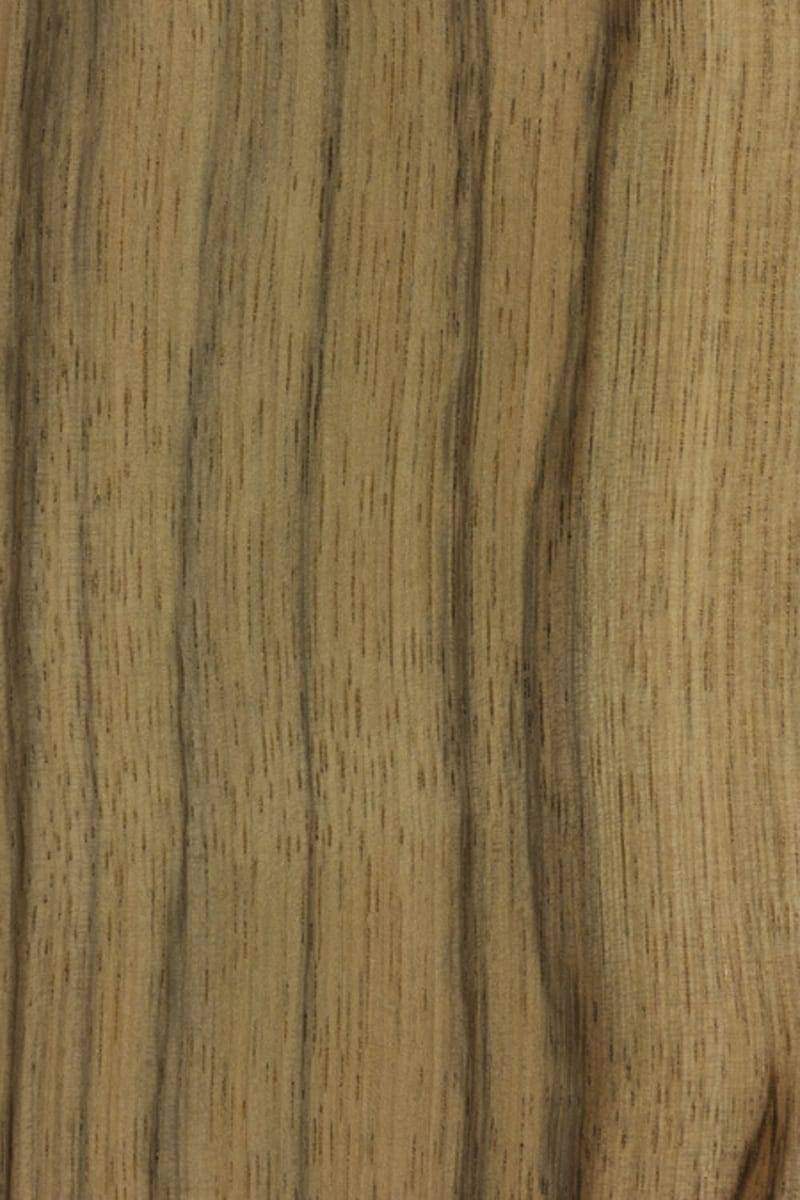
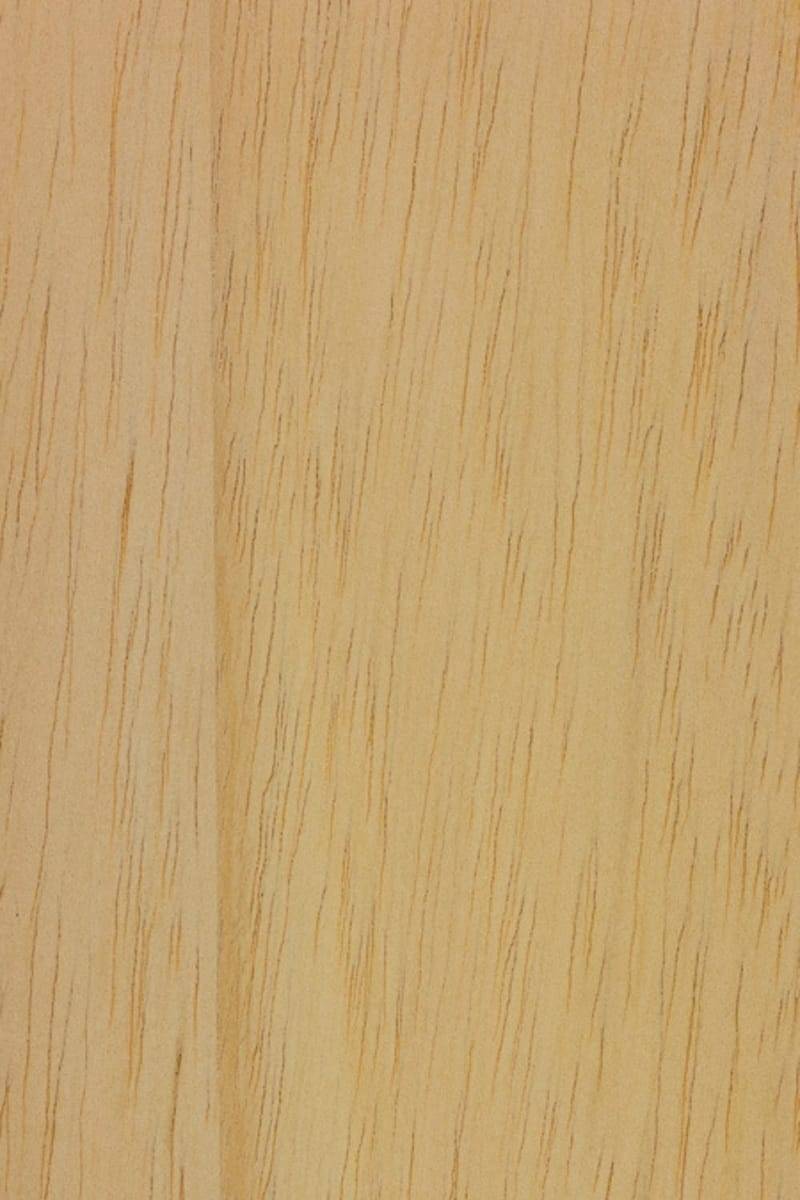
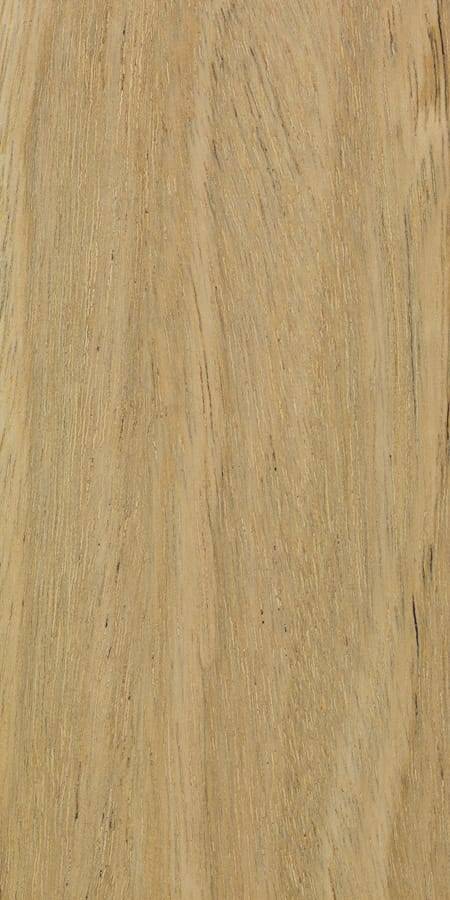
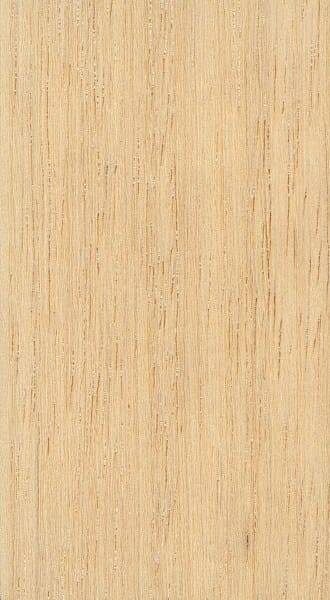
Known in Ghana as ofram and in the United States as korina, limba is Terminalia superba. The wood is pale yellow to light golden brown, and some logs carry a grey to nearly black veined heart that the trade sells separately as black limba. It dries quickly with little degrade and works with ordinary tools. It is poorly durable, so it is used indoors: joinery, panelling, mouldings and furniture.
- Origin
- Ghana
- Terms
- FOB, CIF
- Pricing
- By quote
- Legal documents on every shipment
- Milled and exported by one team
- A reply within 24 hours, Monday to Friday
Specifications
Limba at a glance
- Botanical name
- Terminalia superba
- Also sold as
- Ofram, White Afara, Frake
- Density (dried)
- 540 kg/m³
- Janka hardness
- 670 lbf
- Durability (EN 350)
- Class 4 (poorly durable), heartwood, against fungi; interior use only
- Movement (shrinkage)
- 4.3% radial · 6.1% tangential
What we supply
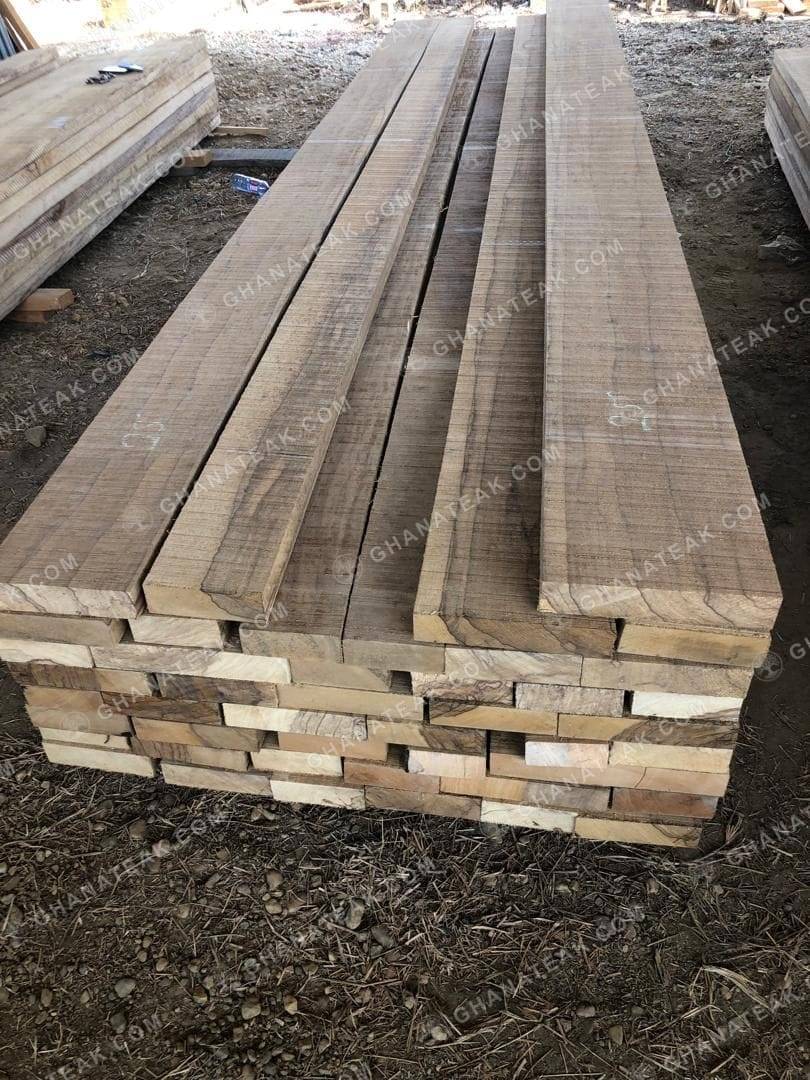
Limba forms we export
Every form is quoted to your own specification. Pick one to start an enquiry.
The supplier
Your Limba supplier in Ghana
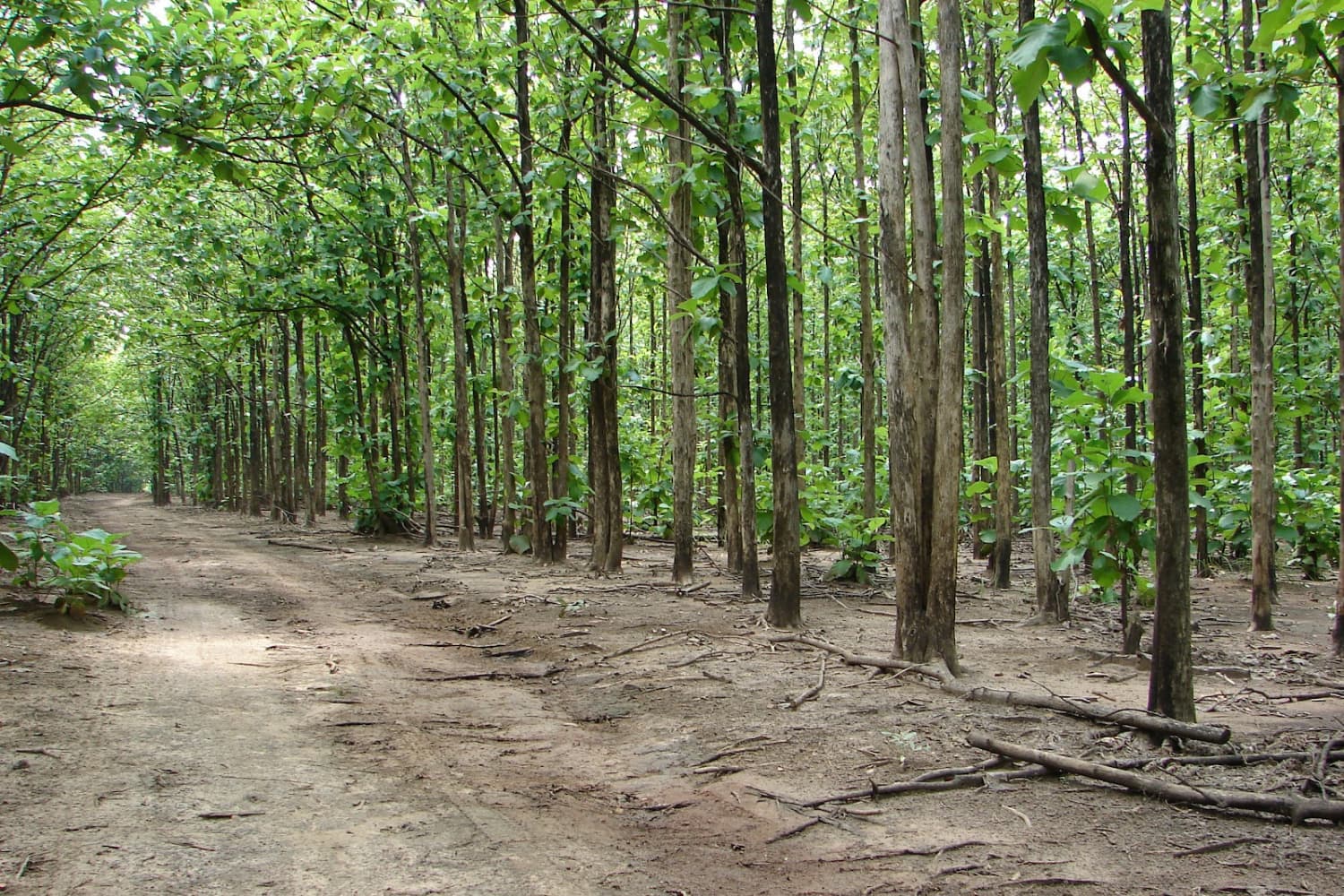
Ghana Teak supplies and exports legally sourced West African hardwood to buyers worldwide. From a managed 25,000-hectare concession and select partner forests, we handle milling and export ourselves.
More about us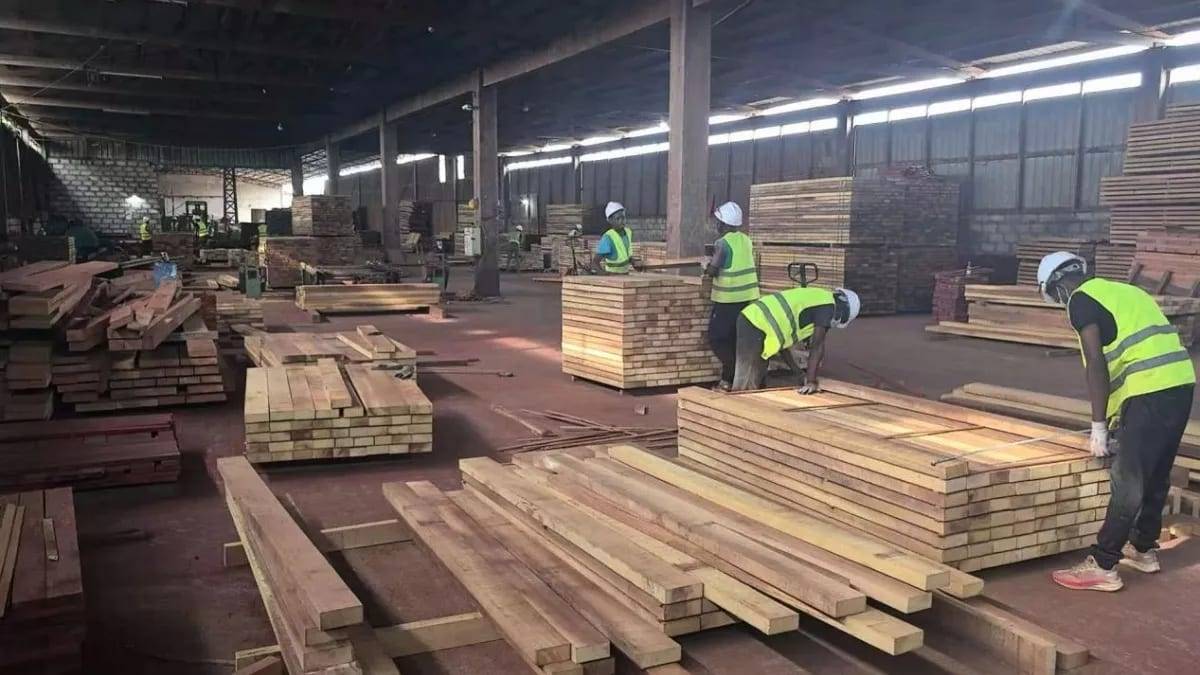

Fabian Magnago, DirectorEvery enquiry answered within 24 hours, Mon–Fri
How your order runs
- 1
Specify
Tell us the species, form, dimensions, grade, volume and destination port. The quote form and WhatsApp both reach our export team directly.
- 2
Quote
We reply within 24 hours, Monday to Friday, to confirm the specification. A firm quote follows, on FOB Tema or CIF terms.
- 3
Contract and payment
The sales contract is approved by Ghana's Timber Industry Development Division. We take payment by irrevocable letter of credit, released against verified shipping documents.
- 4
Production
Your order is milled, dried and graded to the contract specification. Independent inspection by SGS or a similar agency can be arranged before loading.
- 5
Shipment and documents
The consignment is inspected, loaded in containers and shipped from Tema with its FLEGT licence or export permit and the shipping documents.
Pricing
What moves the price
Sawn dimensions
Thickness, width band and length band each move the rate on sawn stock.
Drying
Air-dried is the standard; kiln-drying is a further operation and is priced as one.
Grade
Sawn timber is graded, and the grading system is named on your quote.
Volume
How much you order, and how completely it fills a container, both count.
Want your exact cost? Send us your specification and we return a firm quote.
Get a firm quoteApplications
Where Limba is used
Most common use
Interior joinery and panelling
Limba is an interior wood, used mainly for interior joinery in the form of panels, along with doors, staircases, mouldings and panelling. It dries quickly with very little risk of distortion or checking, works with ordinary tools, and nails and screws well. It is poorly durable under EN 350, so it stays indoors and dry.
Furniture
Taken for furniture because it machines easily and glues and finishes well.
Musical instruments, guitar bodies
Sold in the United States as korina for electric guitar bodies, often in the dark-figured black grade.
How it reaches you
Forest to container, handled by one team
 1
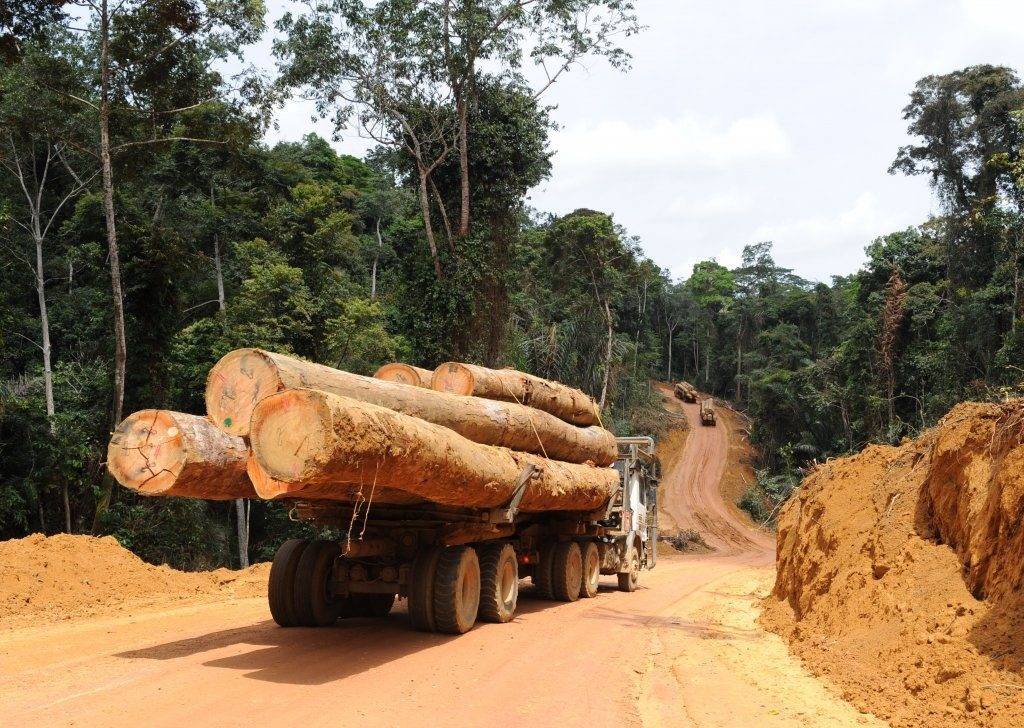
Sourced
Timber comes from a managed 25,000-hectare concession and select partner forests, harvested under permit.
 2
Milled
Logs are sawn, squared or sliced to the dimensions in your contract.
- 3
Graded and packed
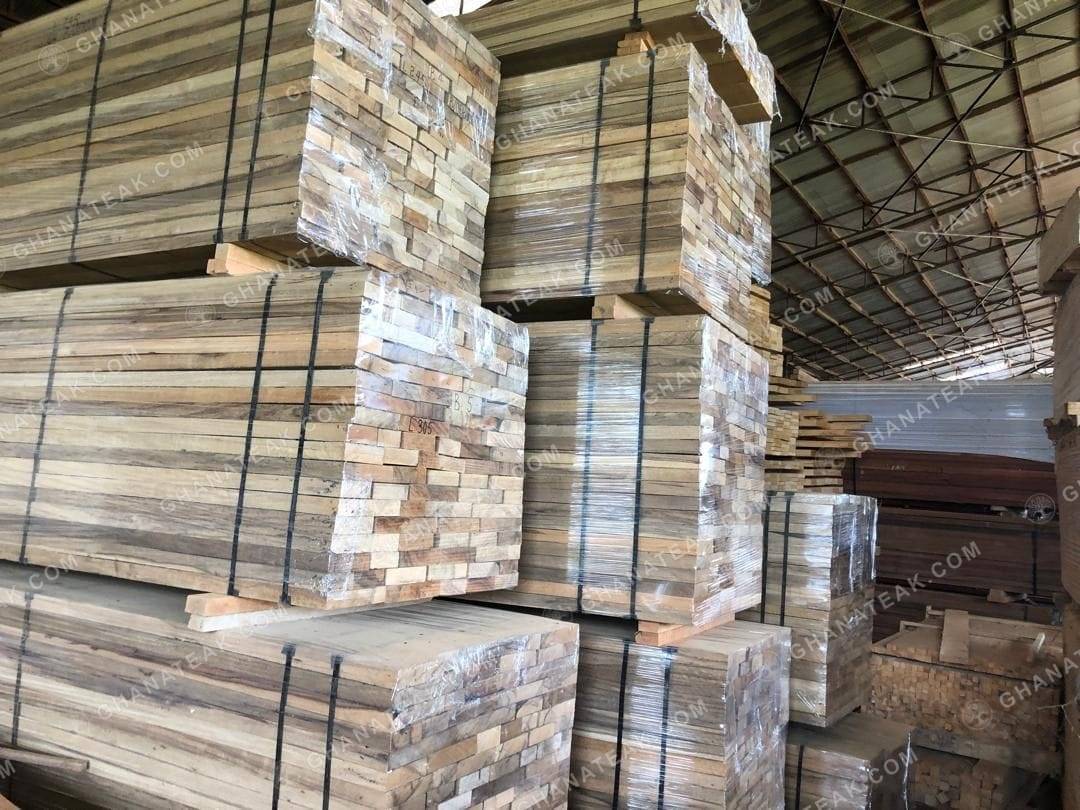
Each order is graded, tallied piece by piece and bundled for export.
 4
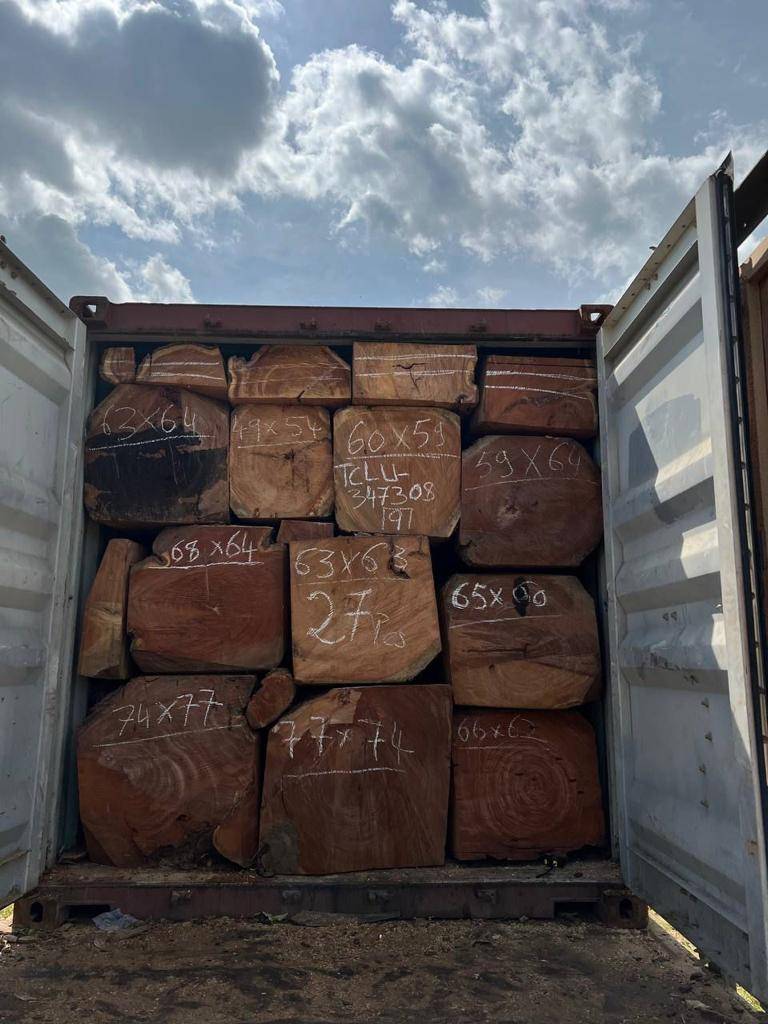
Loaded
The consignment is inspected and loaded in containers for shipment from Tema.
Legality & documents
Every Limba shipment leaves with its papers.
Issued by Ghana's state timber authority, not by us. Buyers in the European Union also receive the origin data their EUDR due diligence needs.
Legality and documents in fullApproved contract
Ghana's Timber Industry Development Division (TIDD) vets and approves the sales contract before any timber is prepared for it.
Inspection certificate
TIDD inspects and grades the consignment against the contract and the specification sheet before it is loaded.
FLEGT licence or export permit
Shipments to the European Union travel on a FLEGT licence. Shipments to every other market travel on a TIDD export permit.
Shipping documents
Commercial invoice, packing list and bill of lading, with a phytosanitary certificate where your country requires one.
Get a quote
Get your Limba quote
Send the form, dimensions, volume and destination port. We reply to confirm the specification, then quote.
Fabian Magnago, DirectorEvery enquiry answered within 24 hours, Mon–Fri
FAQ
Buying Limba from Ghana
The questions buyers ask before a first order.
Something else? Ask us directlyWhat is the difference between black limba and white limba?
Colour and figure only. Both are Terminalia superba, and often boards from the same log. Most of the wood is plain and pale, and that is white limba. Some logs have a grey to nearly black heart, more or less veined, and wood with that dark figuring is sold as black limba. The dark wood carries no different durability rating. Ghana's export trade grades the two separately, as black ofram and white ofram, so say which you need when you enquire.
Is limba the same as korina?
Yes. Korina is the name the United States trade gives to limba, Terminalia superba. The same wood is ofram in Ghana, frake in Côte d'Ivoire and France, and afara or white afara in Nigeria. One name to watch: black afara is not black limba. It is Nigeria's name for Terminalia ivorensis, the wood sold as idigbo. Giving the botanical name on an enquiry avoids the mix-up.
Where does black limba wood come from?
From the same tree as all limba. Terminalia superba grows in the forests of West and Central Africa, and it is native to Ghana. Black limba is not a separate species: it is the wood from logs whose heart has turned grey to nearly black. We offer limba from Ghana as sawn timber, squares and scantlings, and boules; availability is confirmed on enquiry. Every shipment leaves Ghana with its export permit and the documents the Forestry Commission issues.
How hard is limba wood?
Limba is a fairly soft, light to medium-weight hardwood. It is easy to work with hand and machine tools, usually with little blunting, and it takes nails, screws, glue and finishes well. It is not a wearing-surface wood, and it is poorly durable, so it is used indoors. The dark figure of black limba is a matter of colour, not of hardness.
What is the minimum order?
We sell in container volumes. We do not supply retail quantities or small parcels.
How does payment work?
We work with irrevocable letters of credit, released against verified shipping documents, so neither side is exposed. The terms are set out on your quote.
Which documents come with a shipment?
The approved contract, the inspection certificate, a FLEGT licence for the European Union or an export permit for every other market, and the shipping documents.
Do you supply samples?
Yes, as part of a serious enquiry. Tell us the form and grade you are considering when you write.
How long does delivery take?
It depends on the form, the volume and whether the order is kiln-dried. We state the lead time on your quote.

Ready to price your Limba?
Send your form, dimensions, volume and destination. We reply within 24 hours, usually much sooner.